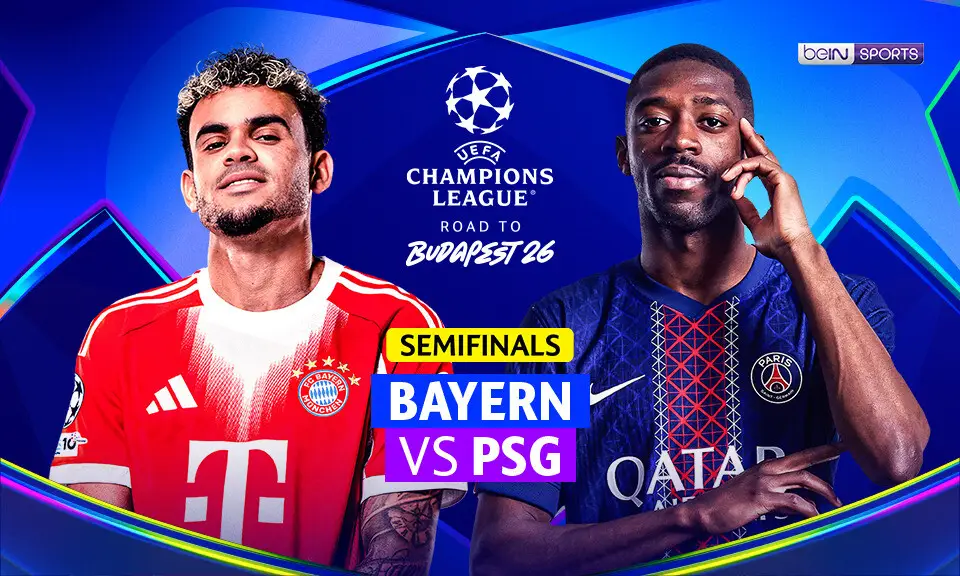
The heavyweight European showdown between Bayern Munich and Paris Saint-Germain stands as one of the most compelling fixtures in modern football, a clash that blends history, star power, tactical identity, and the relentless pursuit of UEFA Champions League glory. Whenever these two sides meet, it feels less like a regular knockout tie and more like a statement battle between two footballing philosophies—Bayern’s structured, ruthless efficiency against PSG’s explosive, flair-driven approach. Bayern Munich enter such contests with a deeply ingrained winning culture in Europe, backed by years of consistency and dominance, and their gameplay is typically defined by aggressive pressing, positional discipline, and quick vertical transitions that suffocate opponents. With the presence of a world-class striker like Harry Kane, Bayern possess a clinical edge in the final third, as Kane not only finishes chances with precision but also drops deep to link play, bringing wingers and midfield runners into dangerous positions. The Bavarian side often relies on full-backs pushing high and wide, stretching defenses, while their midfield ensures control through intelligent passing and physical presence, making them one of the hardest teams to destabilize over two legs.
On the other side, Paris Saint-Germain represent a completely different kind of threat—one rooted in unpredictability, speed, and individual brilliance. With a player like Kylian Mbappé leading the attack, PSG carry perhaps the most dangerous weapon in world football when it comes to counter-attacking situations. Mbappé’s pace, movement, and composure allow PSG to exploit even the smallest defensive gaps, especially against high defensive lines like Bayern’s. Surrounding him is a technically gifted squad capable of dominating possession when needed, but also comfortable sitting deeper and striking on the break. PSG’s evolution over recent seasons has seen them become more balanced tactically, improving their defensive organization while still maintaining the attacking flair that defines them, making them far less one-dimensional than in previous campaigns.
Historically, Bayern Munich have often had the upper hand in this rivalry, most notably in the UEFA Champions League Final 2020 where they secured a narrow victory to lift the trophy. However, PSG have consistently remained in the conversation as serious contenders, learning from past setbacks and strengthening their squad depth and mentality. Their meetings in knockout rounds have frequently been decided by fine margins—moments of brilliance, defensive lapses, or tactical adjustments that shift the momentum of the tie. These are not games where one team dominates from start to finish; instead, they are intense chess matches played at high speed, where every decision matters.
Tactically, this encounter is fascinating because of the inherent risks both teams take. Bayern’s high pressing system and advanced defensive line can overwhelm opponents, but it also leaves space in behind—exactly the kind of space PSG thrive on exploiting. If Bayern manage to control possession and limit transitions, they can pin PSG back and create sustained pressure, forcing mistakes and generating chances through structured buildup. However, if PSG successfully absorb that pressure and break quickly, they can punish Bayern with devastating efficiency. Midfield battles become crucial here, as controlling tempo and winning second balls can determine which team imposes its style on the game.
Another key factor is experience versus explosiveness. Bayern’s squad is built with players who are accustomed to the demands of deep Champions League runs, maintaining composure under pressure and executing game plans with discipline. PSG, meanwhile, bring an edge of unpredictability—capable of moments that defy tactical structure and turn matches instantly. Set-pieces, substitutions, and in-game management will also play a significant role, especially in tightly contested moments where fatigue and nerves come into play.
Ultimately, this is a tie that promises intensity, drama, and elite-level football from start to finish. Both teams have the quality to win, both have vulnerabilities that can be exposed, and both understand the stakes involved at this level of competition. Prediction: expect a high-scoring, closely fought contest across both legs, with Bayern Munich holding a slight advantage due to their tactical balance, squad depth, and historical edge in big European nights—but writing off PSG would be a mistake, as their attacking firepower means they are always just one moment away from changing the entire narrative of the tie.

Post a Comment