| Brazilian Seria A |
| SCHEDULE | TIME |
| Match: |
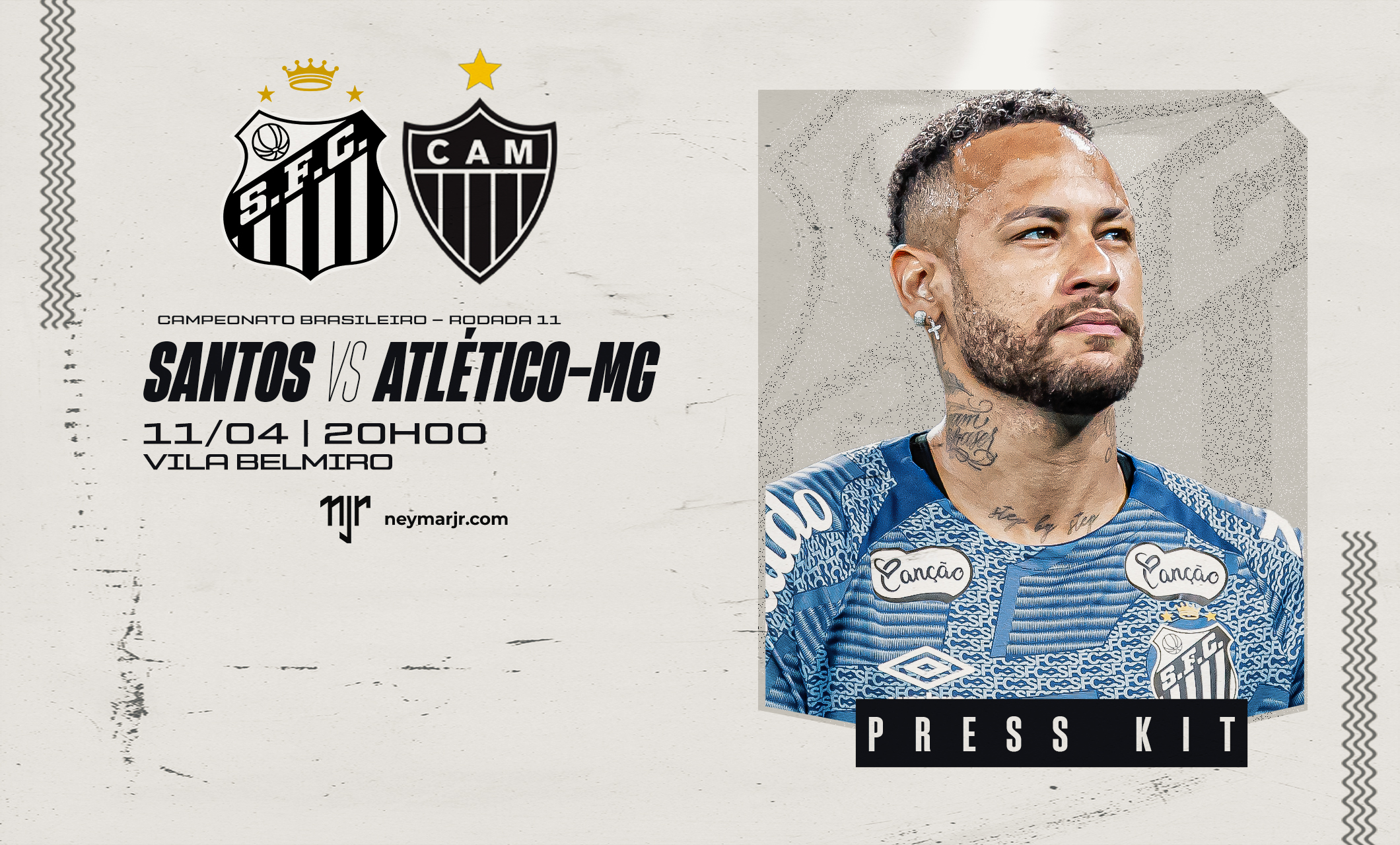
Santos vs Atletico MG
|
| Tournament: | Brazilian Serie A |
| Match Date: | Apr 12 2026 |
| Match Time: | 4:30 AM IST
(UTC +5:30)
|
| Stadium: | -- |
SPONSORED
Preview : Santos vs Atletico MG
مع اقتراب موعد هذه المواجهة الكبيرة، تتجه أنظار عشاق كرة القدم حول العالم إلى مباراة ينتظرها الجميع بشغف كبير. مثل هذه المباريات لا تكون مجرد لقاء عادي بين فريقين، بل هي مناسبة مليئة بالإثارة والتحدي حيث يسعى كل فريق لإثبات قوته وتأكيد حضوره على أرض الملعب. الجماهير بدورها تضيف نكهة خاصة لهذه المواجهات، فالهتافات والأجواء الحماسية في المدرجات تخلق بيئة مليئة بالطاقة تدفع اللاعبين لتقديم أفضل ما لديهم طوال دقائق المباراة.
يدخل الفريقان هذه المباراة بطموحات كبيرة وأهداف واضحة. قد يكون أحدهما يسعى لتعزيز موقعه في جدول الترتيب، بينما يحاول الآخر تحقيق انتصار مهم يعيد الثقة للفريق ويمنحه دفعة قوية في المنافسة. في مثل هذه المواجهات، لا يعتمد النجاح فقط على المهارات الفردية للاعبين، بل يلعب التنظيم التكتيكي والانضباط الدفاعي دورًا حاسمًا في تحديد مسار المباراة. المدربون عادة ما يضعون خططًا دقيقة لاستغلال نقاط القوة لدى فريقهم ومحاولة الحد من خطورة المنافس.
من المتوقع أن تكون معركة خط الوسط واحدة من أهم مفاتيح المباراة، حيث يحاول كل فريق السيطرة على إيقاع اللعب وفرض أسلوبه الخاص. الفريق الذي ينجح في التحكم بالكرة وصناعة الفرص بشكل مستمر قد يمتلك الأفضلية، بينما قد يعتمد الفريق الآخر على الهجمات المرتدة السريعة واستغلال المساحات خلف دفاع الخصم. كما أن الكرات الثابتة قد تكون عنصرًا حاسمًا، إذ كثيرًا ما تُحسم المباريات الكبيرة من خلال ركلة ركنية متقنة أو ضربة حرة يتم تنفيذها بدقة.
عامل آخر لا يمكن تجاهله هو الحالة البدنية والذهنية للاعبين. فالمباريات الكبرى تتطلب تركيزًا عاليًا طوال تسعين دقيقة، وأي خطأ بسيط قد يكلف الفريق الكثير. لذلك من المتوقع أن نرى مستوى عاليًا من الحذر التكتيكي في بعض فترات اللقاء، يقابله اندفاع هجومي في لحظات أخرى عندما تتاح الفرص. اللاعبون أصحاب الخبرة غالبًا ما يكون لهم دور محوري في مثل هذه الظروف، حيث يستطيعون التعامل مع ضغط المباراة وإيجاد الحلول في اللحظات الحاسمة.
| -- | Lineup |
XI: Not Published Yet |
| -- | Lineup |
|
Expected Lineups will be updated closer to kickoff once officially announced.
Match links Will be Updated Before Kickoff
JOIN FOR MORE MATCHES
🛑 : Join Our WhatsApp Group For Daily Live Links. LINK IN BELOW👇
About Campeonato Brasileiro Série A:
History
The Campeonato Brasileiro Série A (Brazilian Portuguese pronunciation: [kɐ̃pi.oˈnatu bɾaziˈlejɾu ˈsɛɾi ˈa, kɐ̃pjo-]; English: "Brazilian Championship A Series"), commonly referred to as the Brasileirão (pronounced [bɾazilejˈɾɐ̃w]; English: "Big Brazilian" or "Great Brazilian"), the Série A or the Brazilian Série A (to distinguish it from Italy's Serie A), is a professional association football league in Brazil and the highest level of the Brazilian football league system. Contested by 20 clubs, it operates on a system of promotion and relegation with the Campeonato Brasileiro Série B. In 2021, the competition was chosen by the IFFHS as the strongest national league in the world.[1]
Due to historical peculiarities and the large geographical size of the country, Brazil has a relatively short history of nationwide football competitions. The main and most prestigious competitions were the state championships, run in each of the Brazilian states,[2] with occasional inter-state tournaments, such as the Torneio Rio–São Paulo.[3] In 1959, advancements in civil aviation and air transport and the need to appoint a Brazilian representative to the first edition of the Copa Libertadores, led to the creation of a regular nationwide tournament, the Taça Brasil, a knockout tournament. In 1967, the Torneio Rio-São Paulo was expanded to include teams from other states, becoming the Torneio Roberto Gomes Pedrosa. The first tournament explicitly organized to be a national championship and league by the CBF was only in 1971, won by Atlético Mineiro, although it was only referred to as "Campeonato Brasileiro" starting in 1989.
One of the historical characteristics of the Brazilian Championship was the lack of standardization in the competition system, the rules and the number of participants, which changed almost every season. Because of this, in several seasons there was no promotion and relegation system to the Second Division, and sometimes there were not different tiers. Number of clubs also fluctuated, with the 1979 edition reached its peak, with 92 participants. The various formats already adopted include a knockout tournament system (1959–1968) and a mixed system with a group stage followed by playoffs (1967–2002). In 2003, the league transitioned into a double round-robin system, initially with 24 teams and 46 matches for 2003 and 2004, and 22 teams and 42 matches in 2005. Since 2006, the format has been one with 20 clubs and 38 matches, with all teams facing each other in home and away games.[4]
In 2010, the champions of national tournaments from 1959 to 1970—Taça Brasil and Torneio Roberto Gomes Pedrosa—have been declared official winners of the Brazilian championship or champions of Brazil (not winners of Brasileirão or Série A) by the Brazilian Football Confederation.[5] In August 2023, the CBF declared the 1937 Torneio dos Campeões retroactively a Brazilian championship as well.[6] The titles of old tournaments, cited in the Brazilian championship history, are equated to the title of Série A, but the tournaments are cataloging with their original name in the statistics[7] (despite being different competitions, they confer the same title).[8][9]
The Campeonato Brasileiro is one of the strongest leagues in the world; it contains the second-most club world champions titles, with 10 championships won among six clubs, and the most Copa Libertadores titles (tied with Argentina’s top division), with 25 titles won among 12 clubs. The IFFHS ranked the league fourth in strength for the 2001–12 period after the Premier League (England), La Liga (Spain), and Serie A (Italy).[10] The Campeonato Brasileiro is the most-watched football league in the Americas and one of the world's most exposed, broadcast in 155 nations. It is also one of the world's richest championships, ranked as the sixth most valuable with a worth of over US$1.43 billion, generating an annual turnover of over US$1.17 billion in 2012.
Since 1959, a total of 156 clubs have played in the Campeonato Brasileiro.[11] Seventeen clubs have been crowned Brazilian football champions, thirteen of which have won the title more than once. Palmeiras is the most successful club of the Campeonato Brasileiro, having won the competition twelve times, followed by Santos and Flamengo with eight titles each, and Corinthians with seven titles. Santos' Os Santásticos won five consecutive titles between 1961 and 1965, a feat that hasn't been repeated since. The state of São Paulo is the most successful, amassing 34 titles among five clubs.

Post a Comment